a cor
do
sol
In development
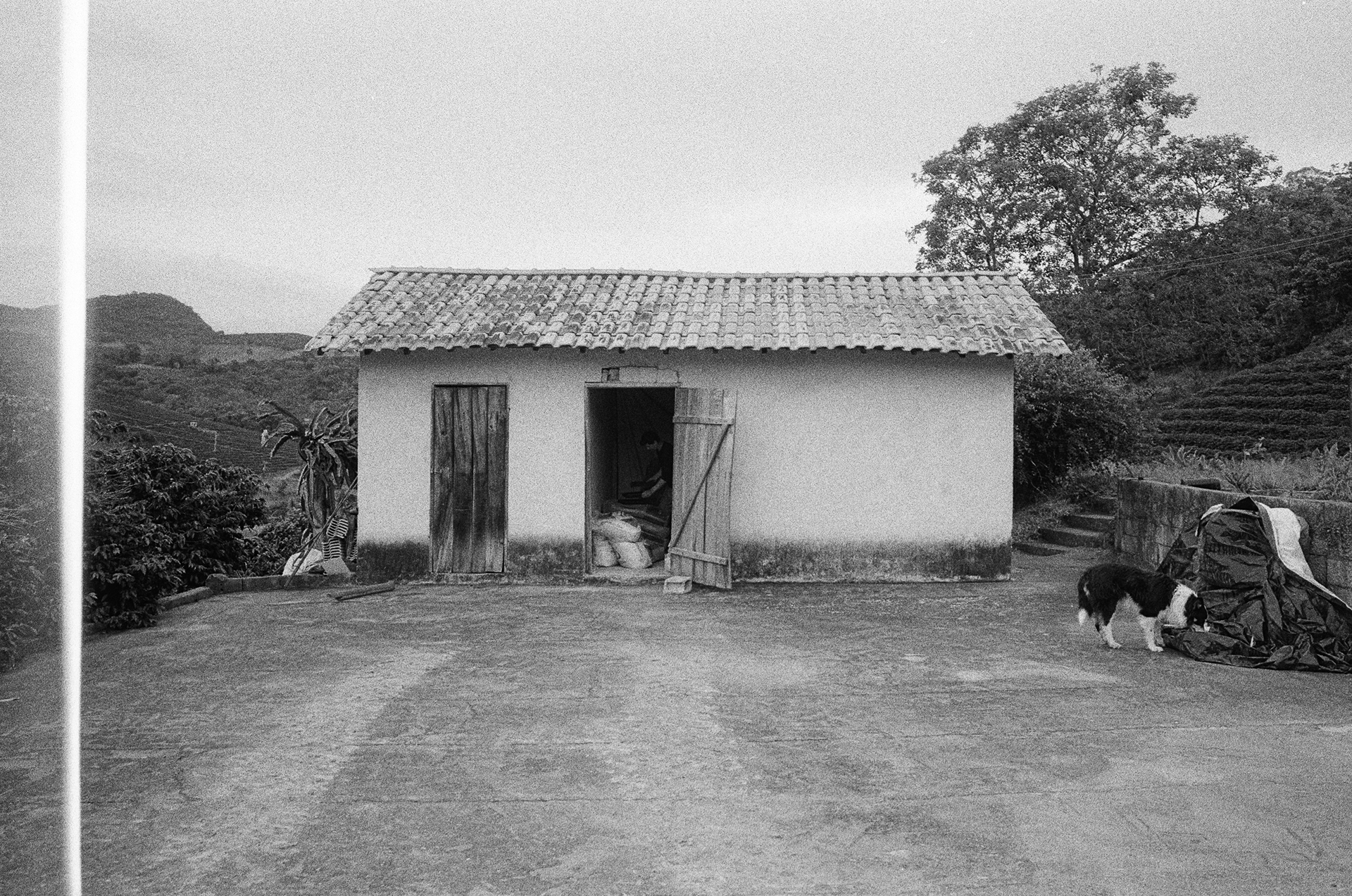
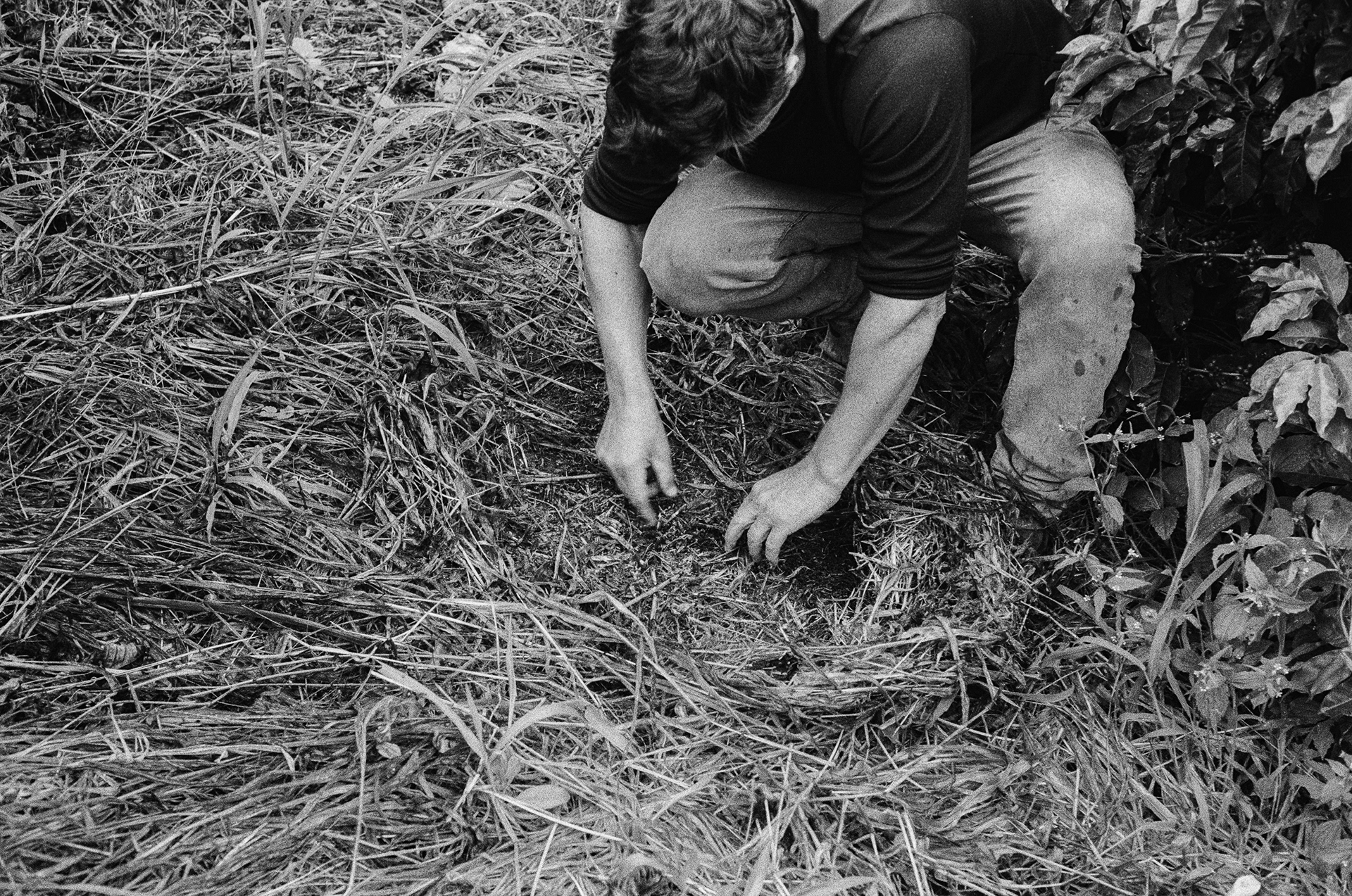
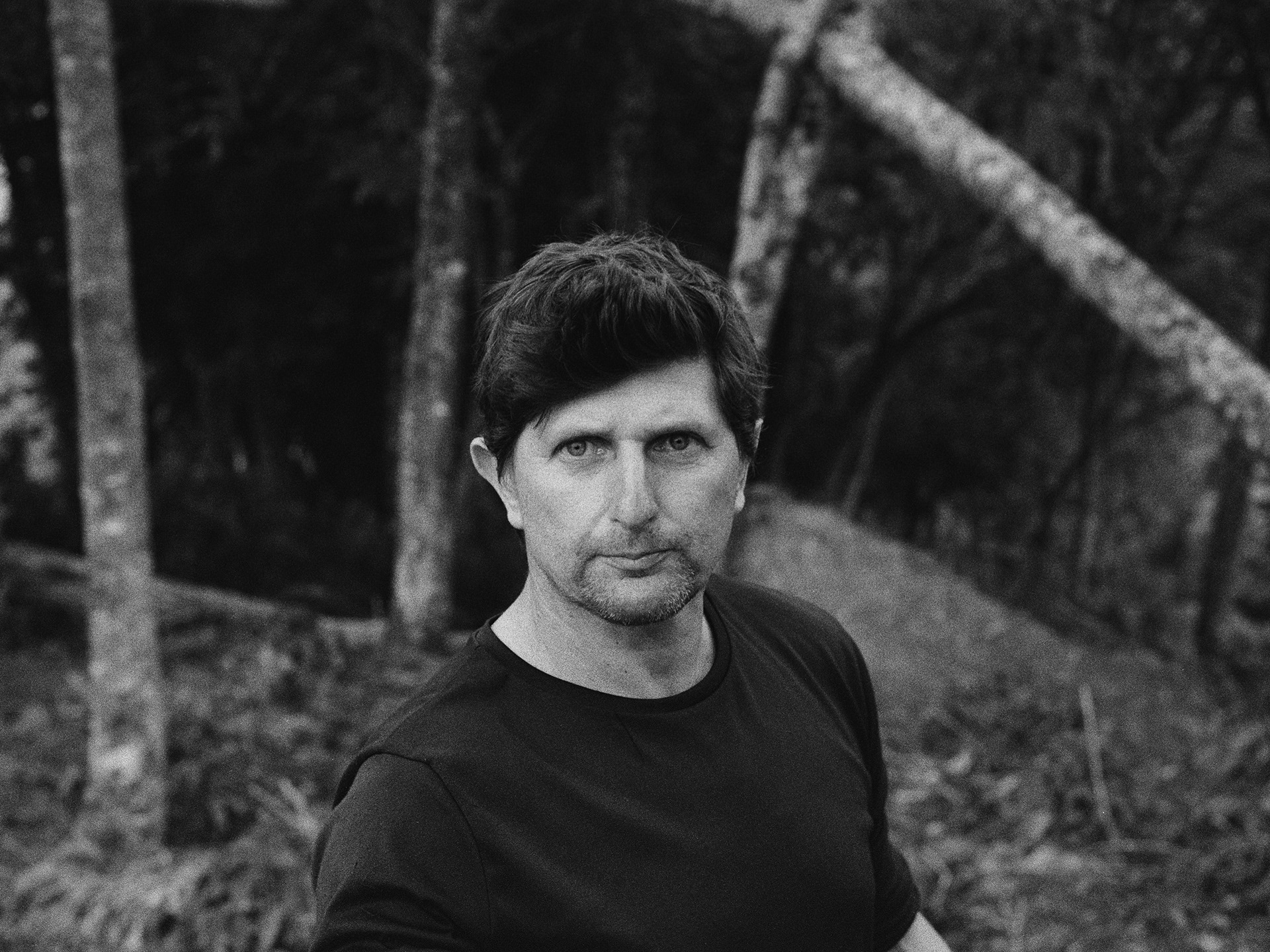
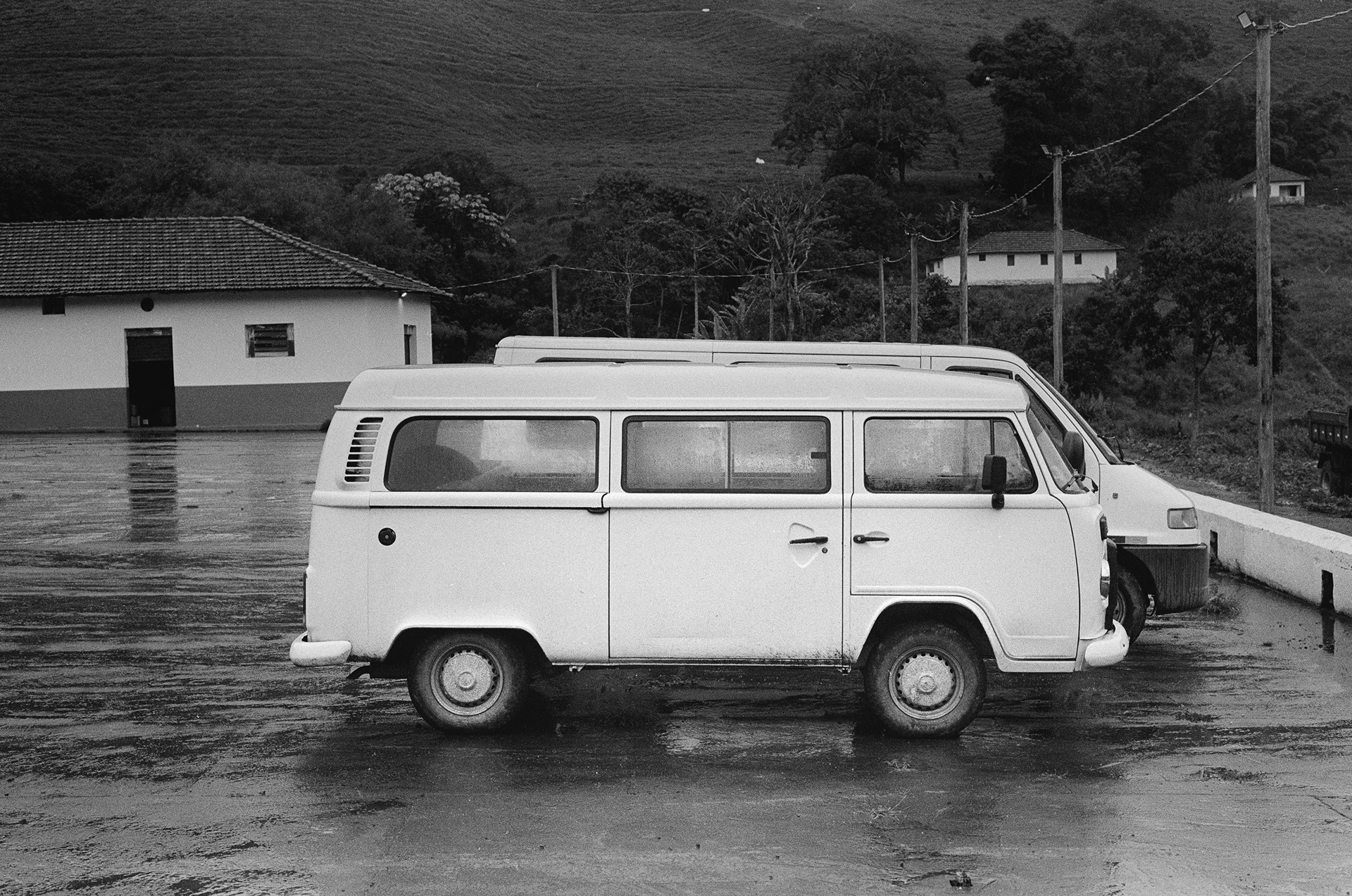
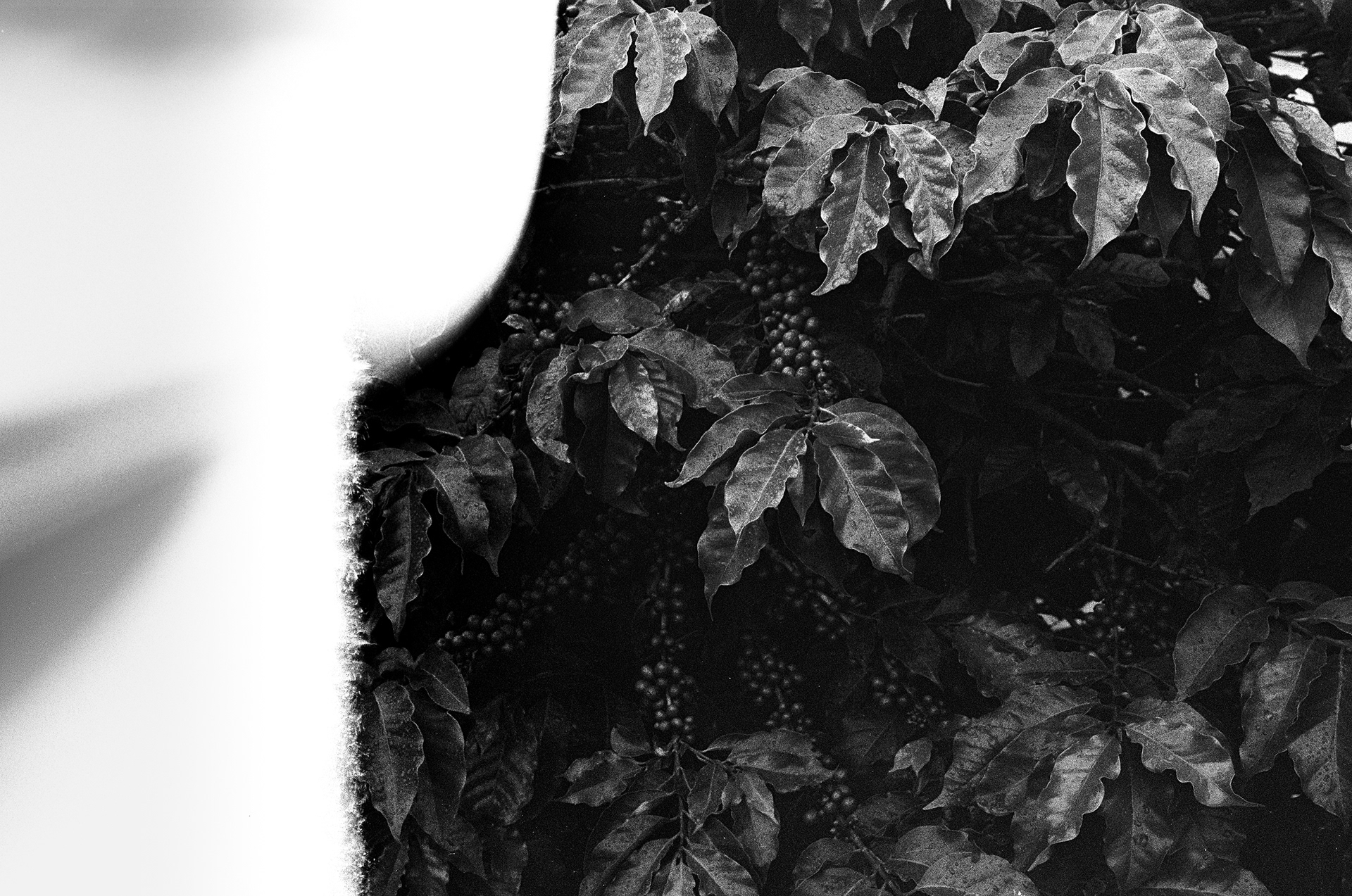
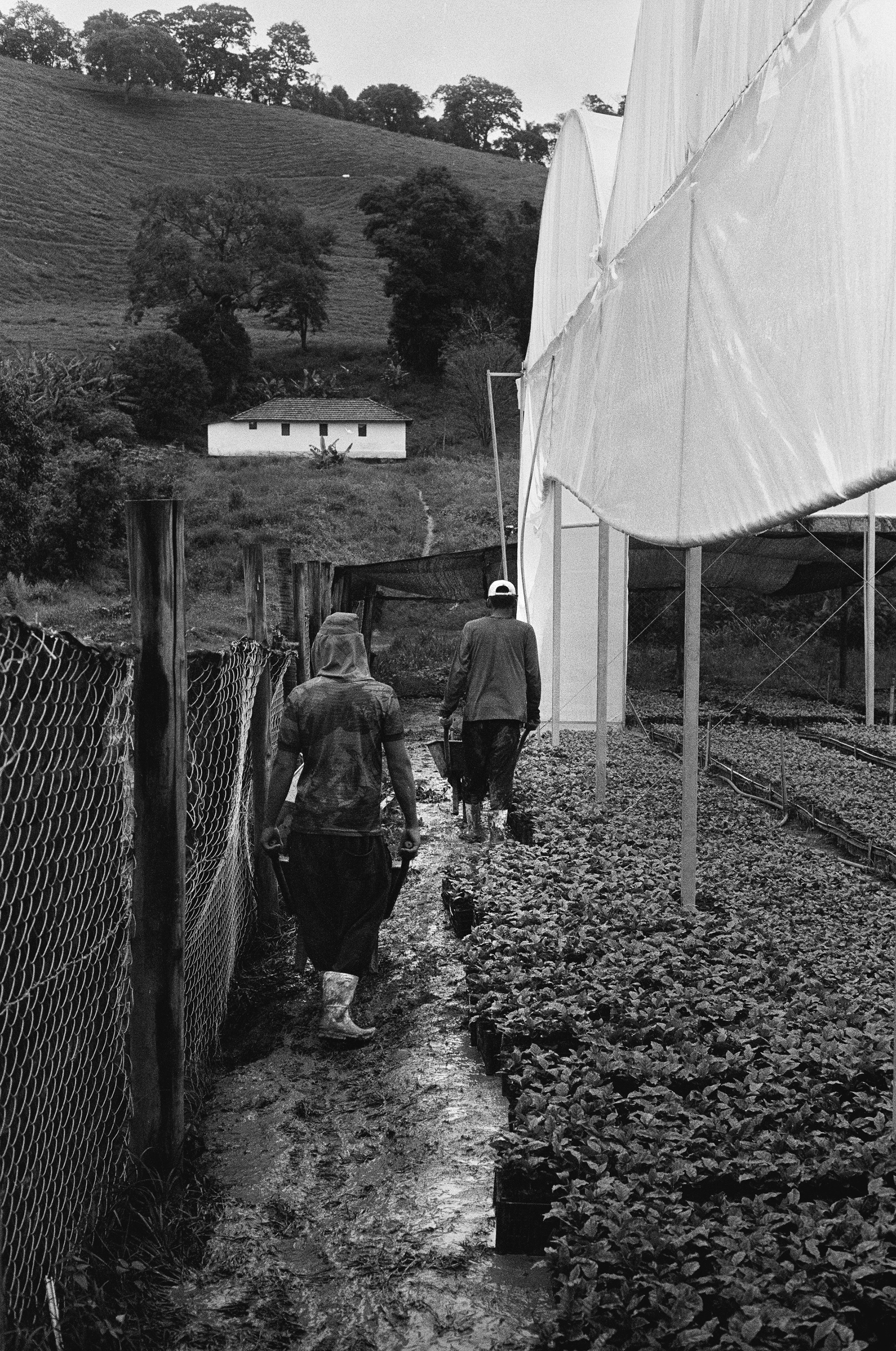
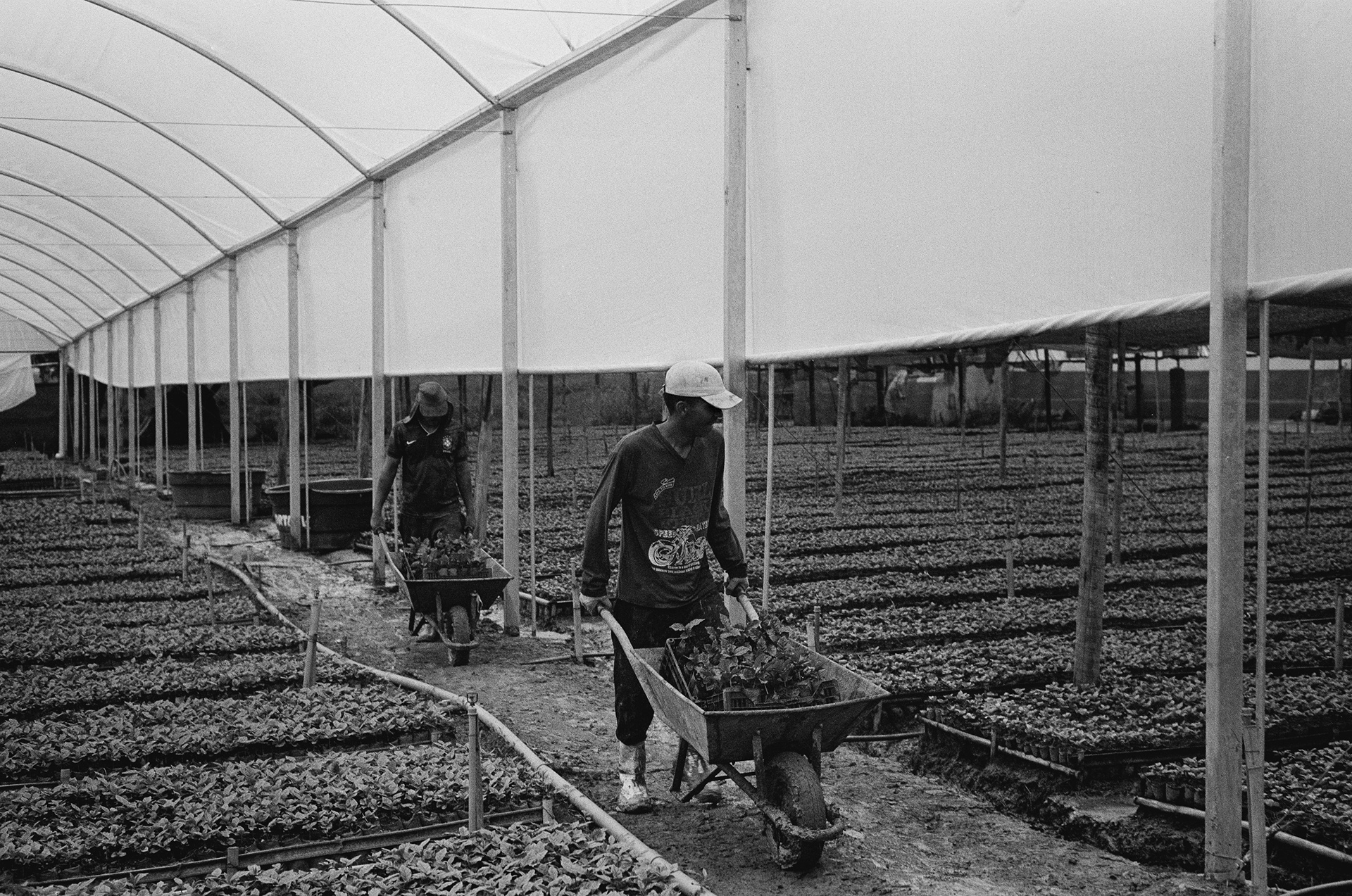
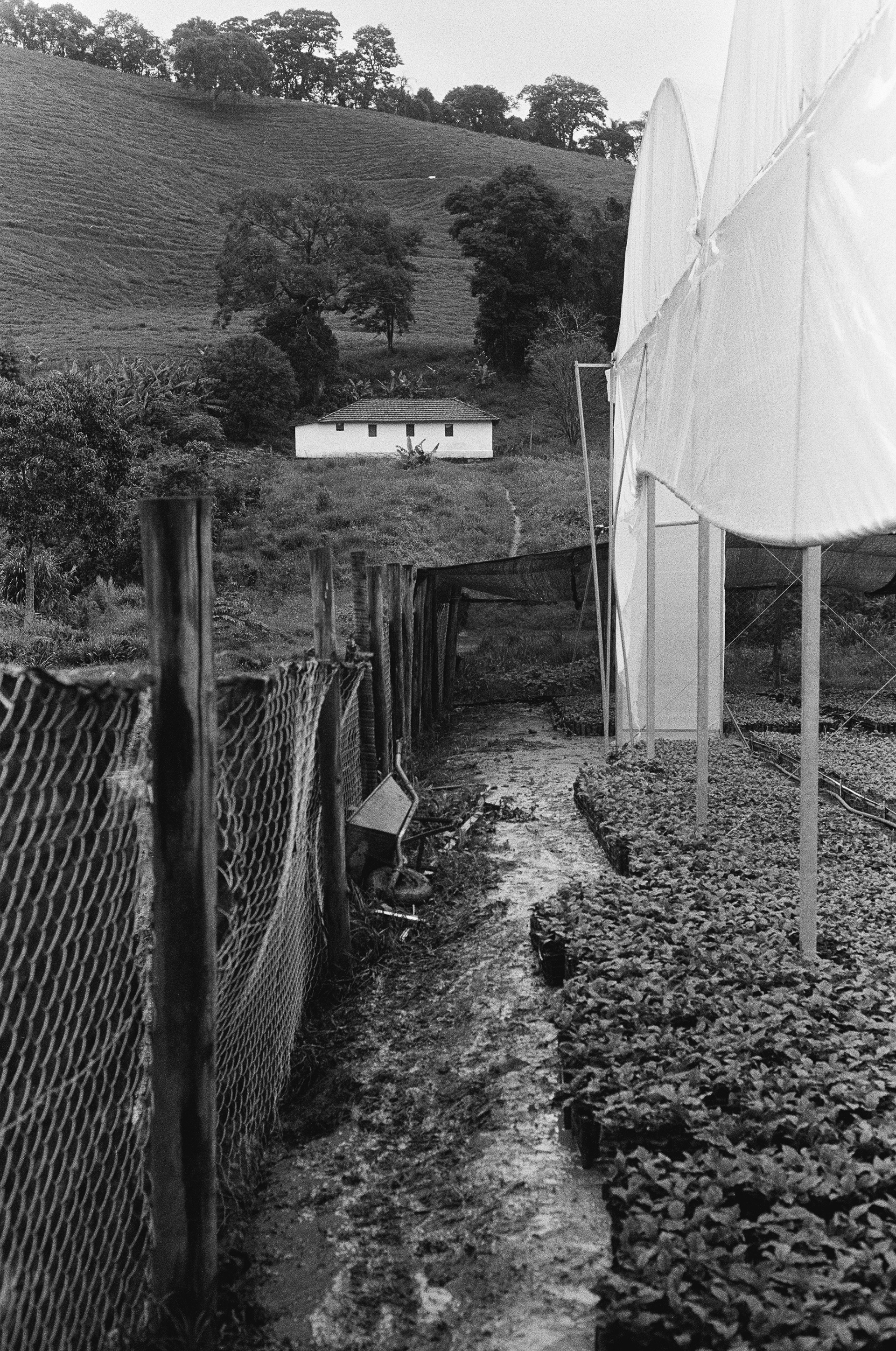
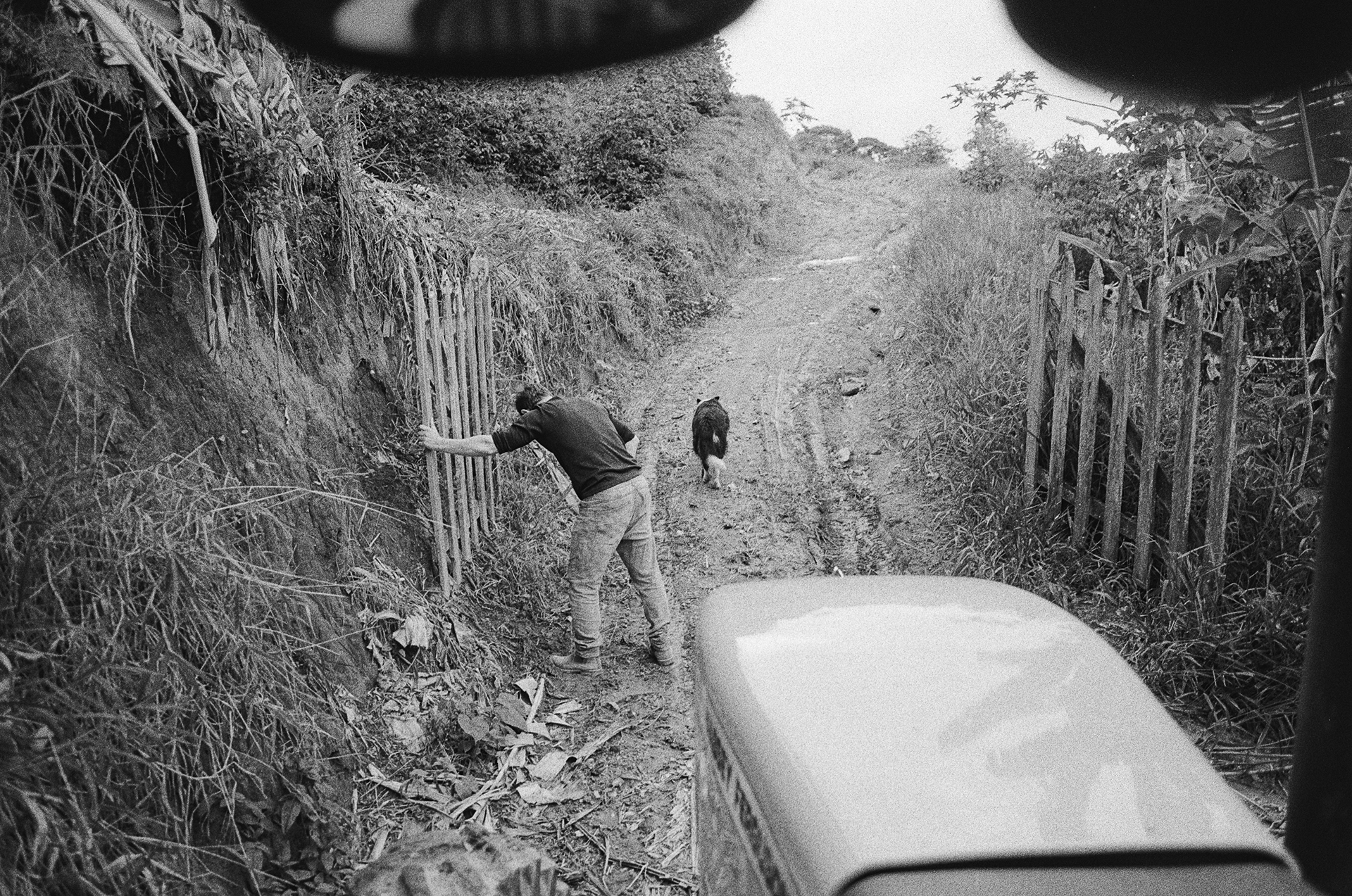
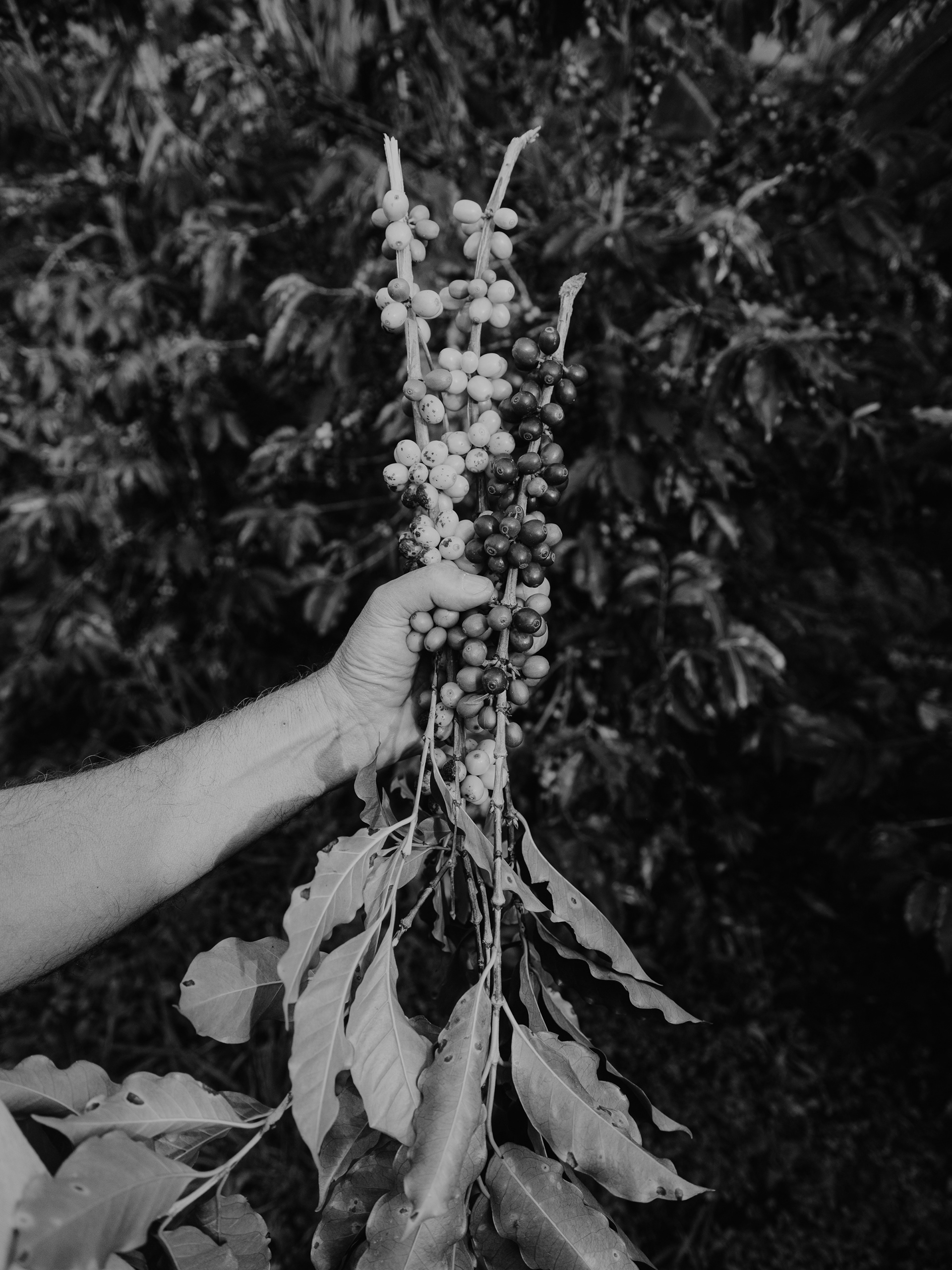
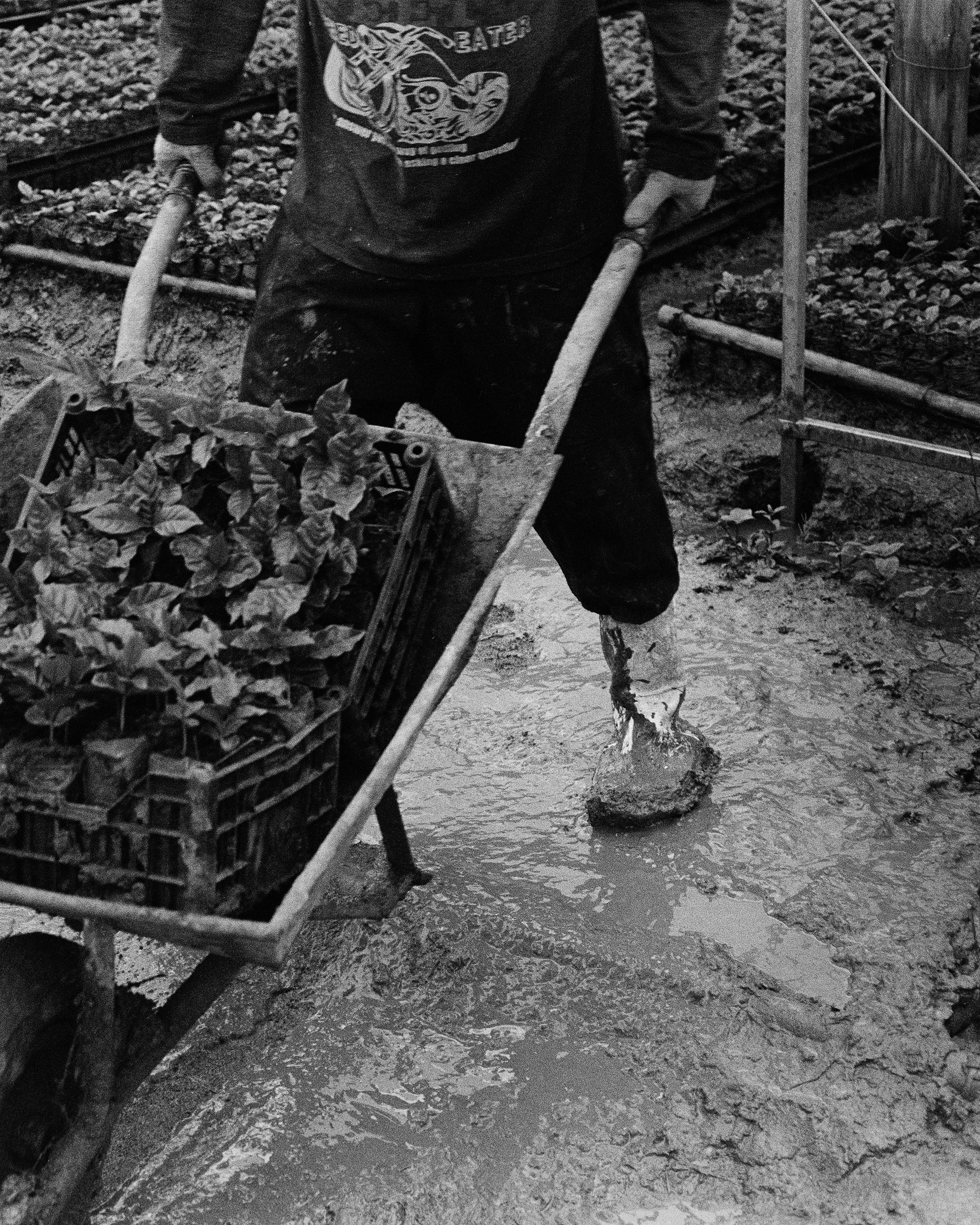
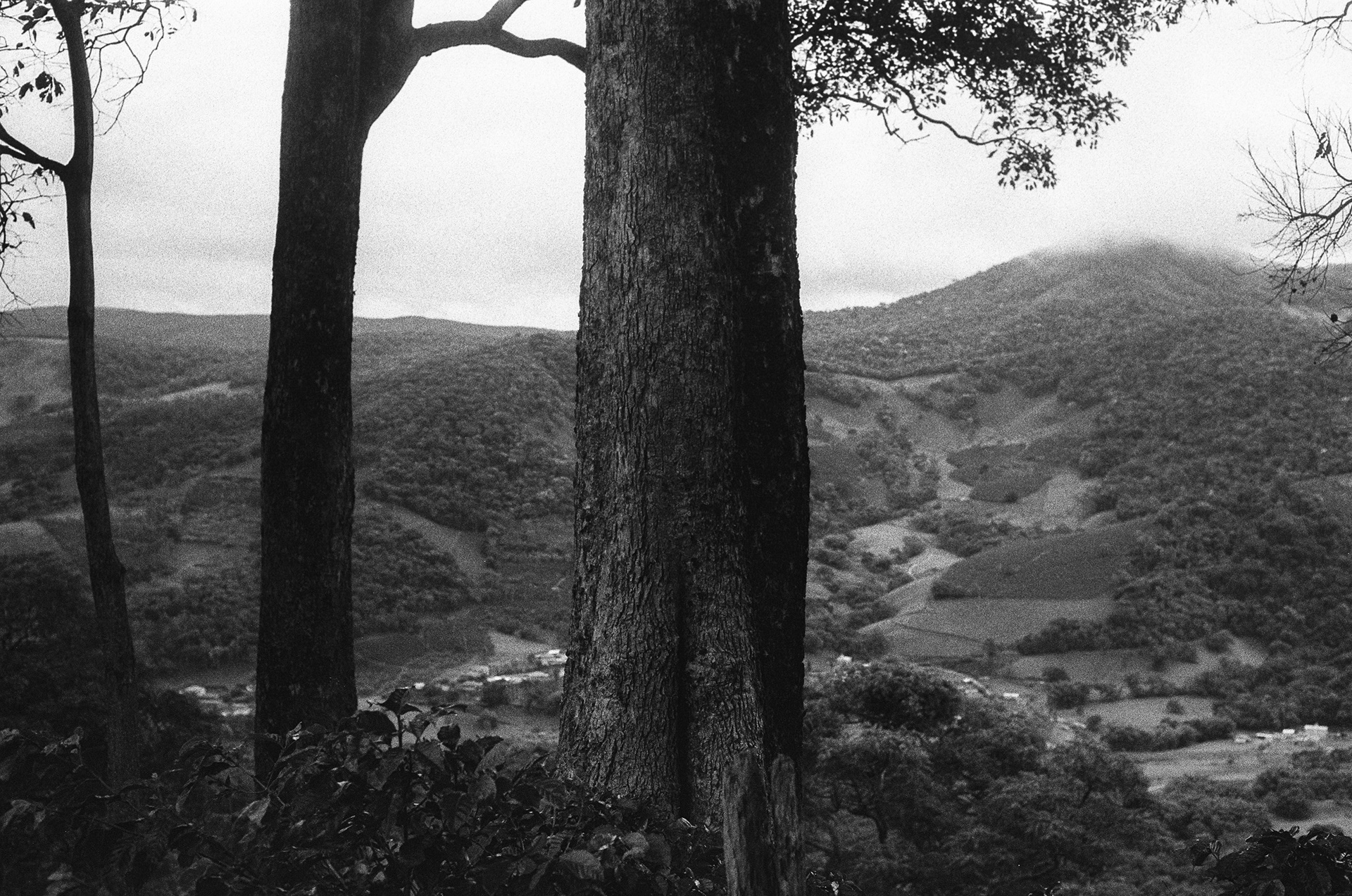
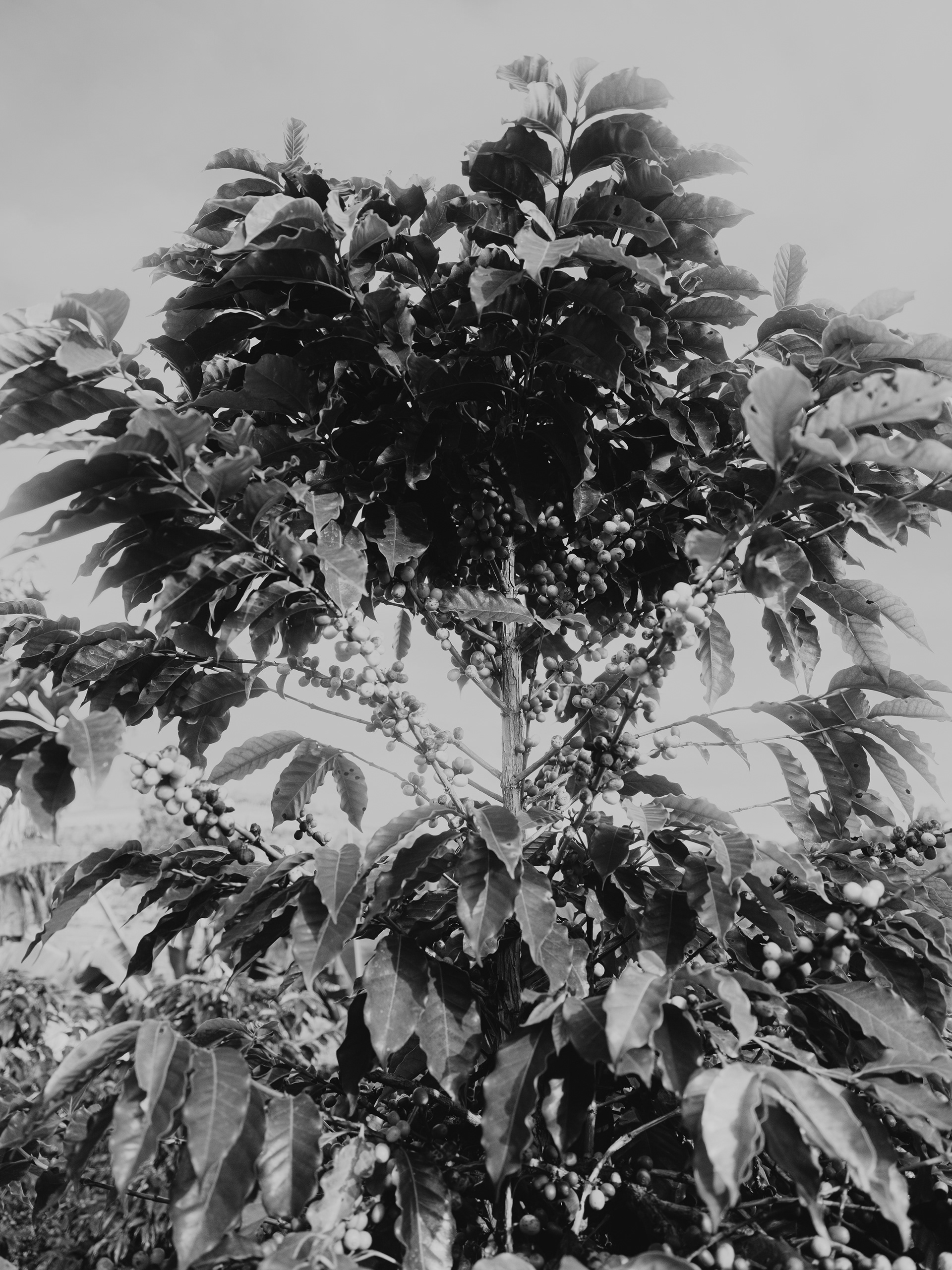
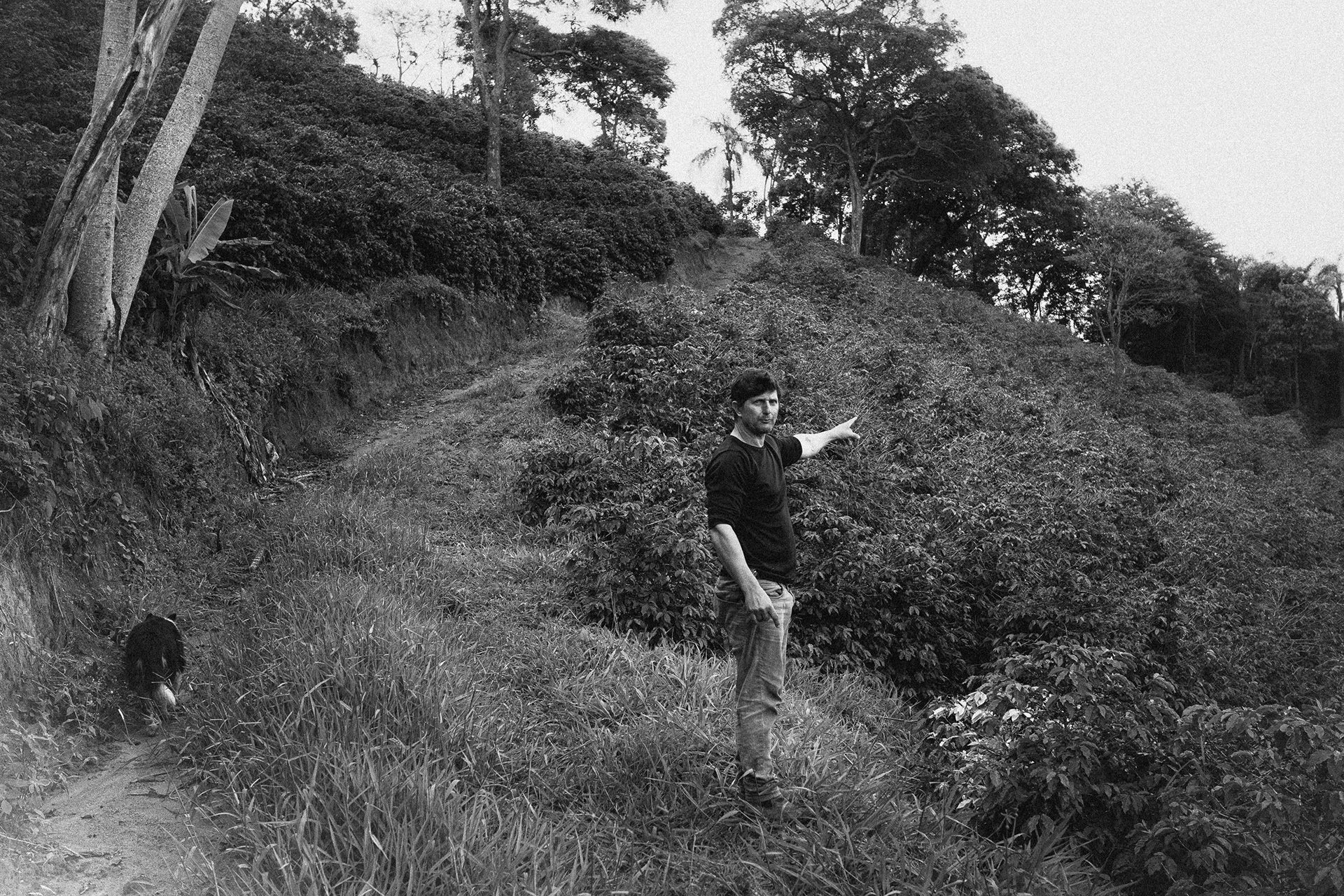
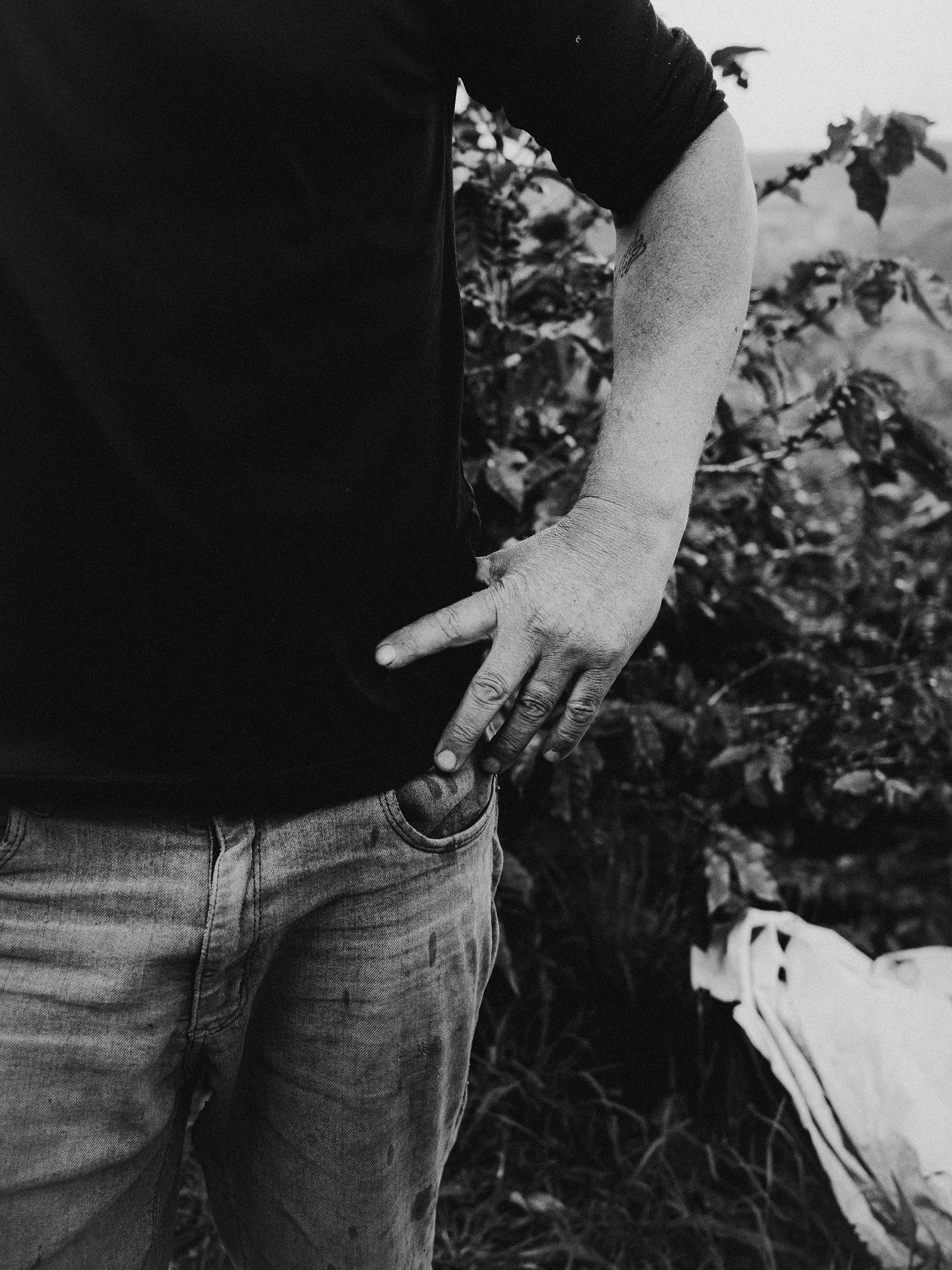
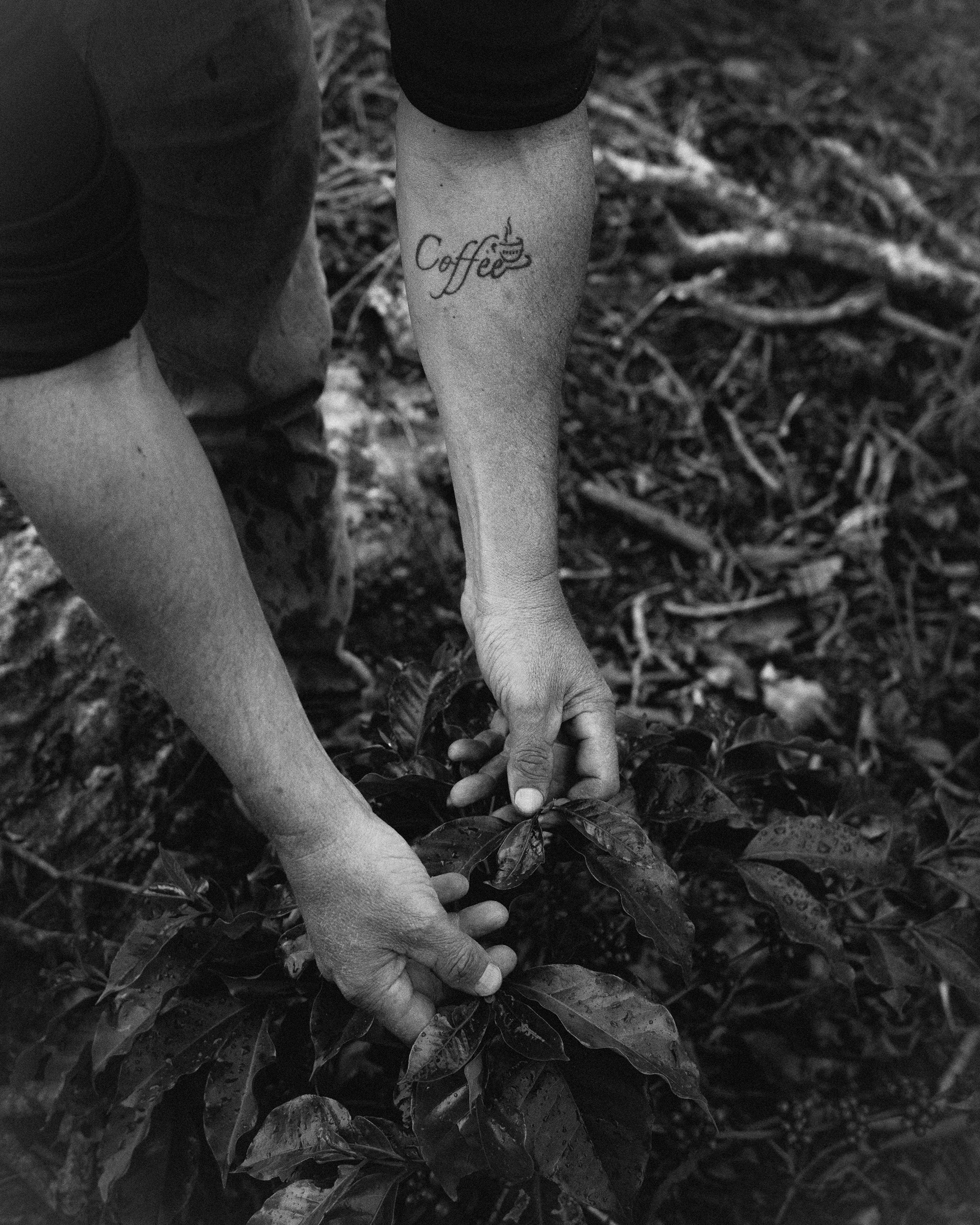
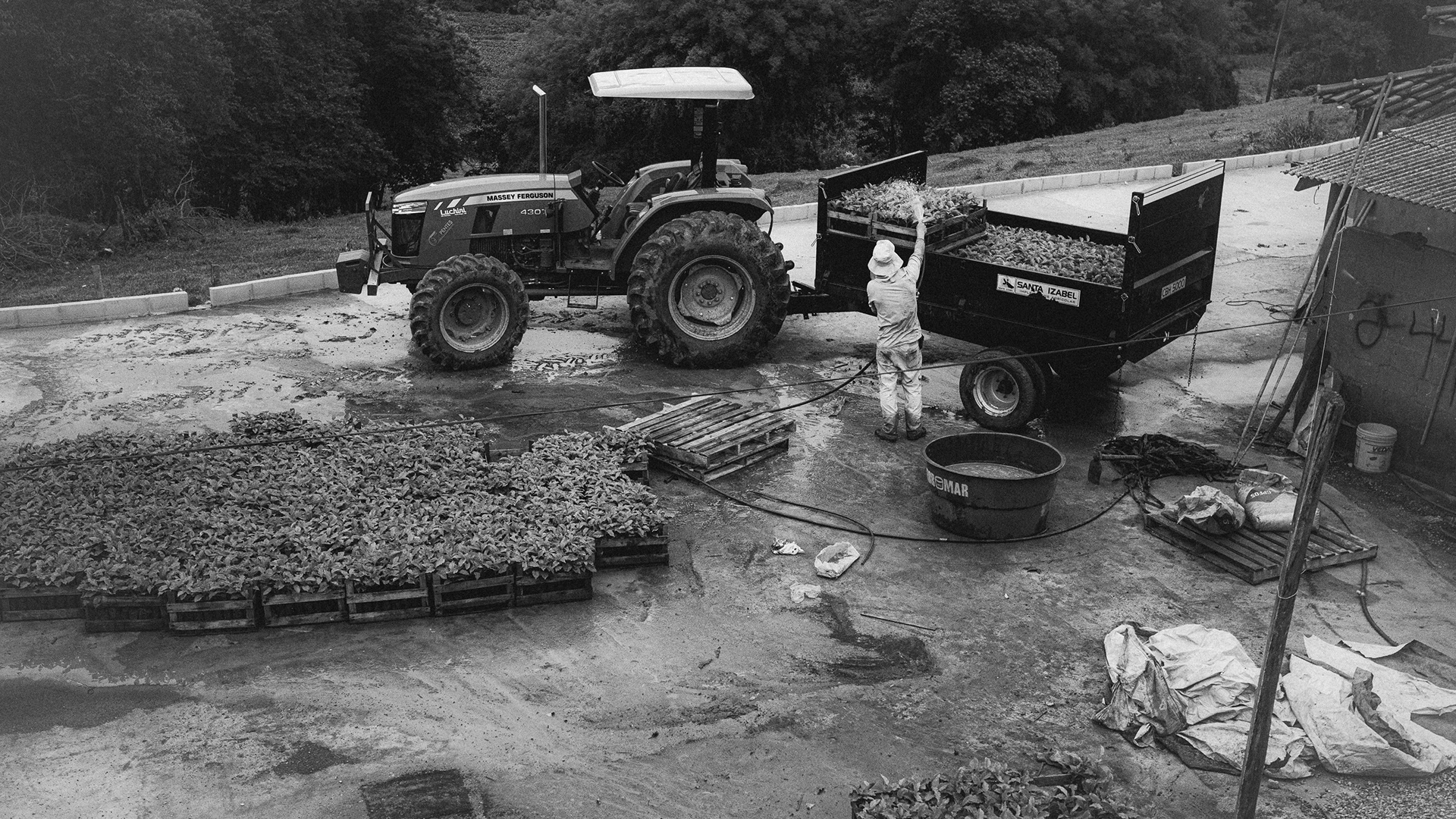
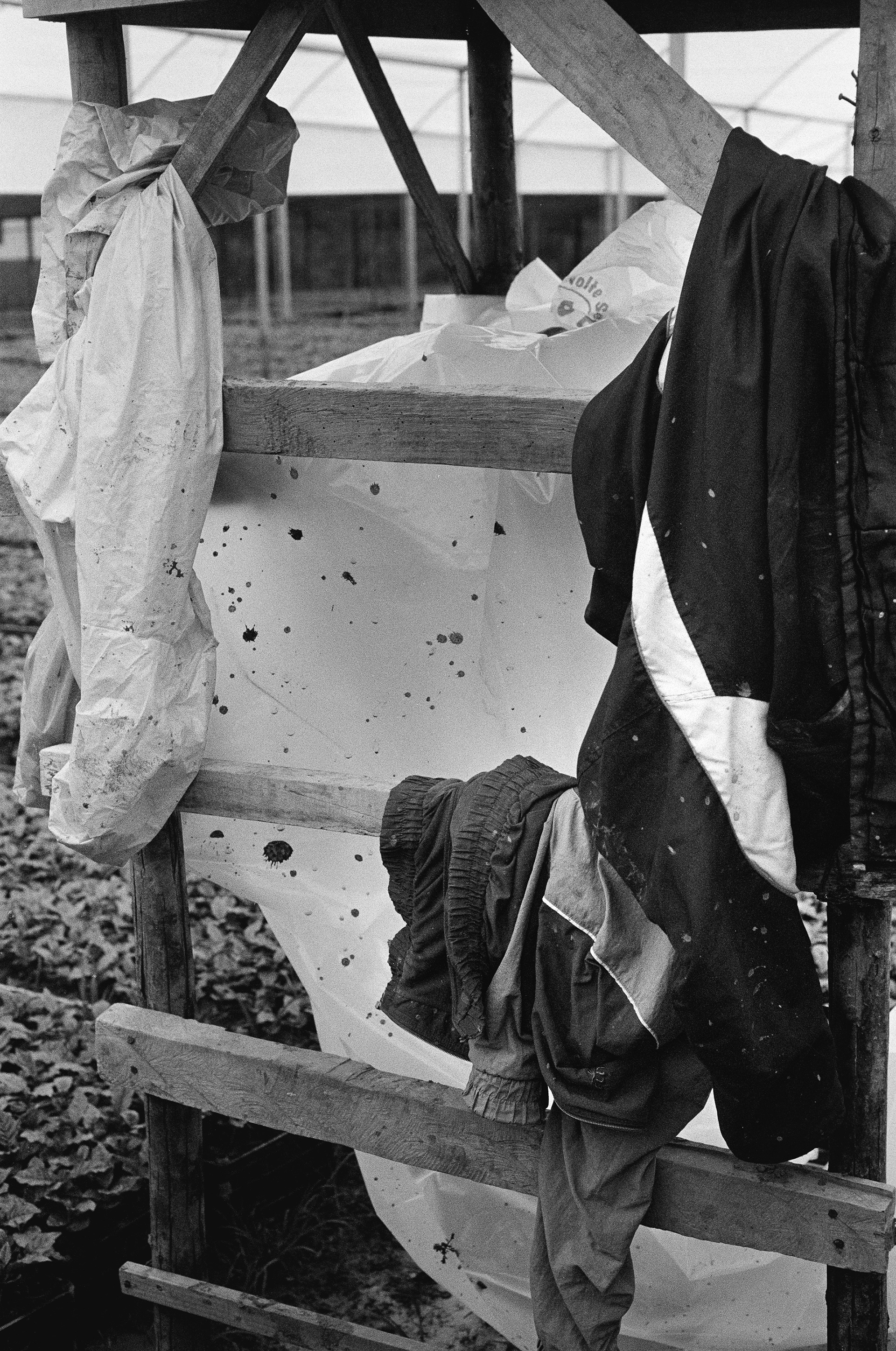
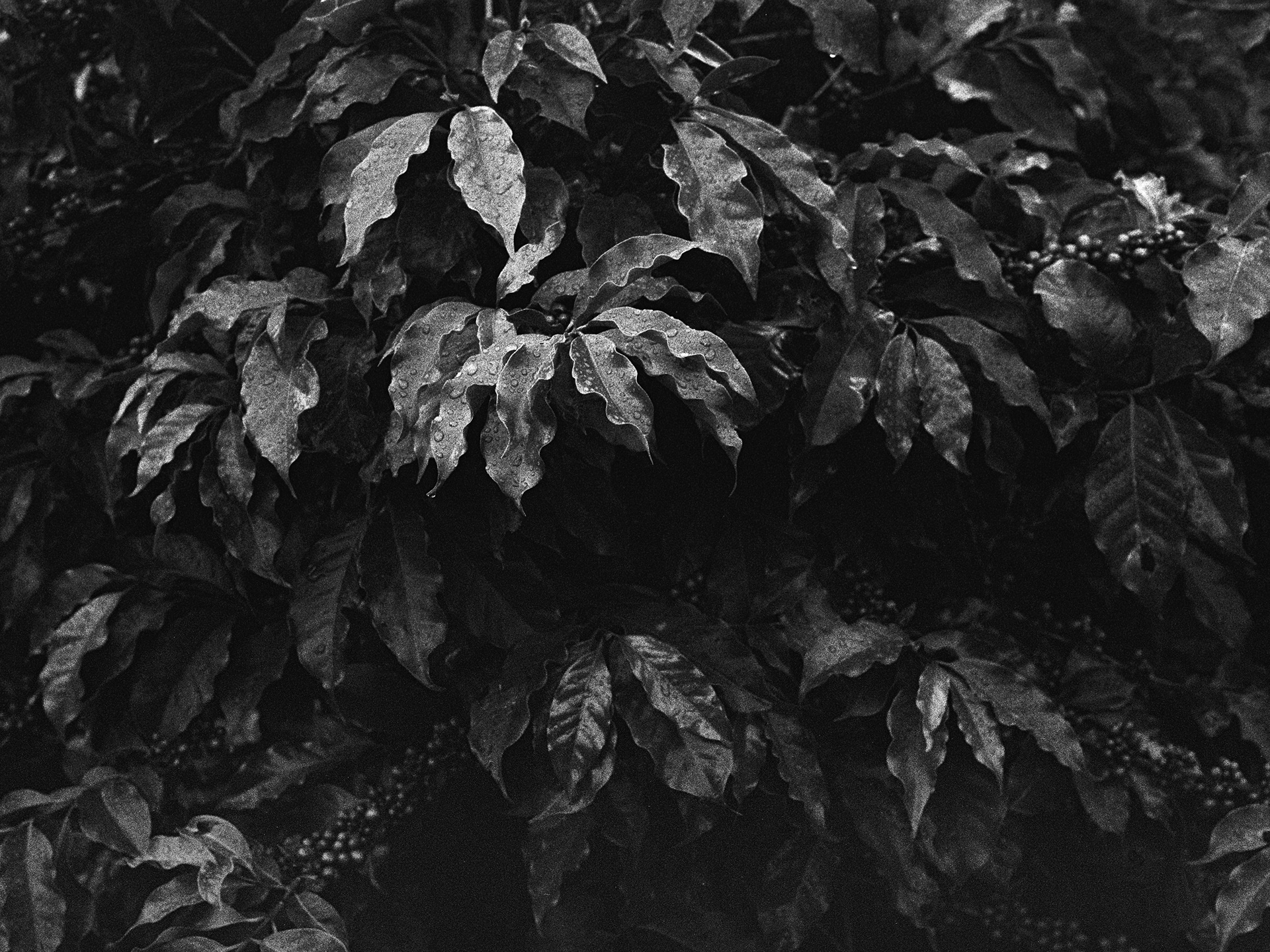
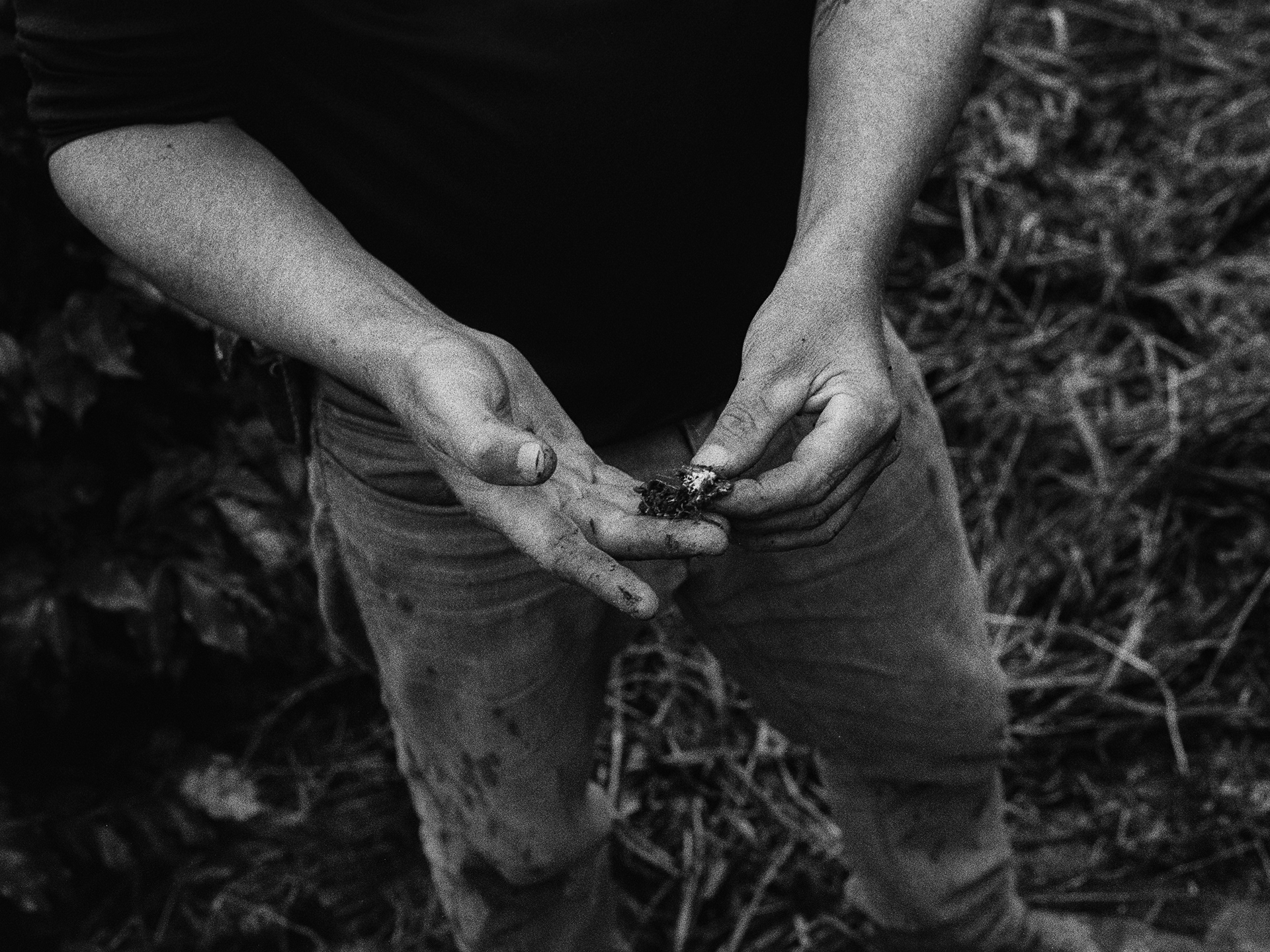
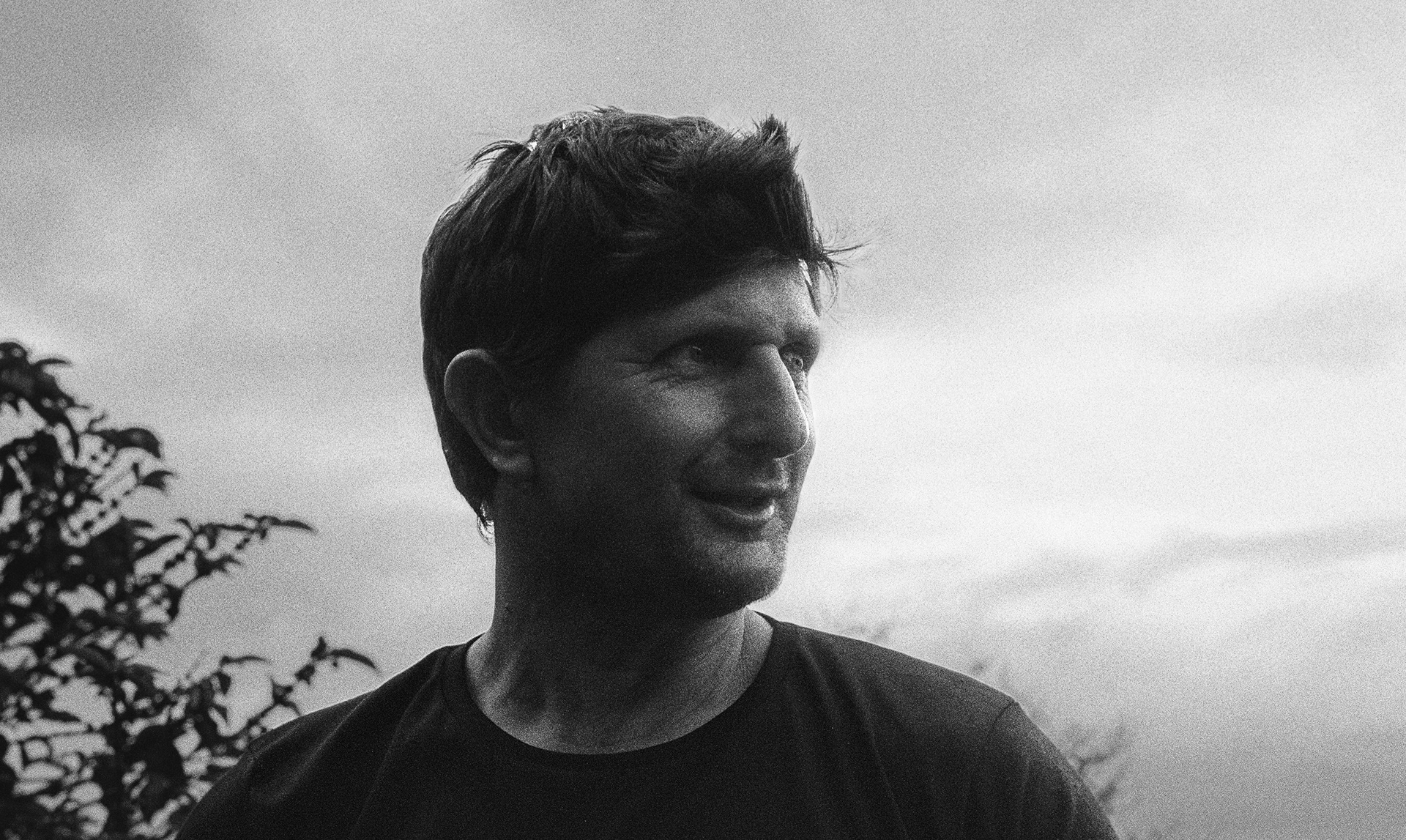
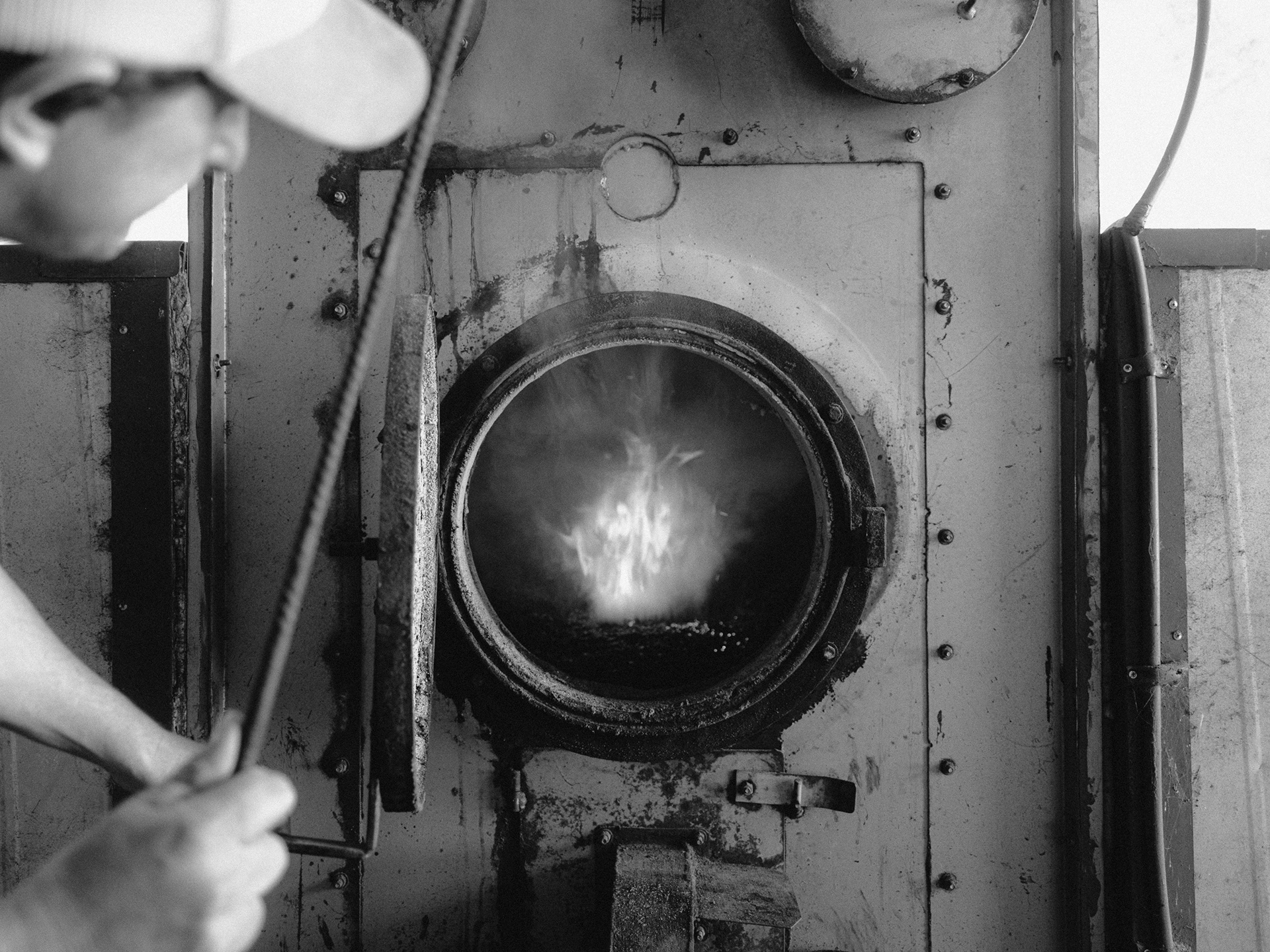
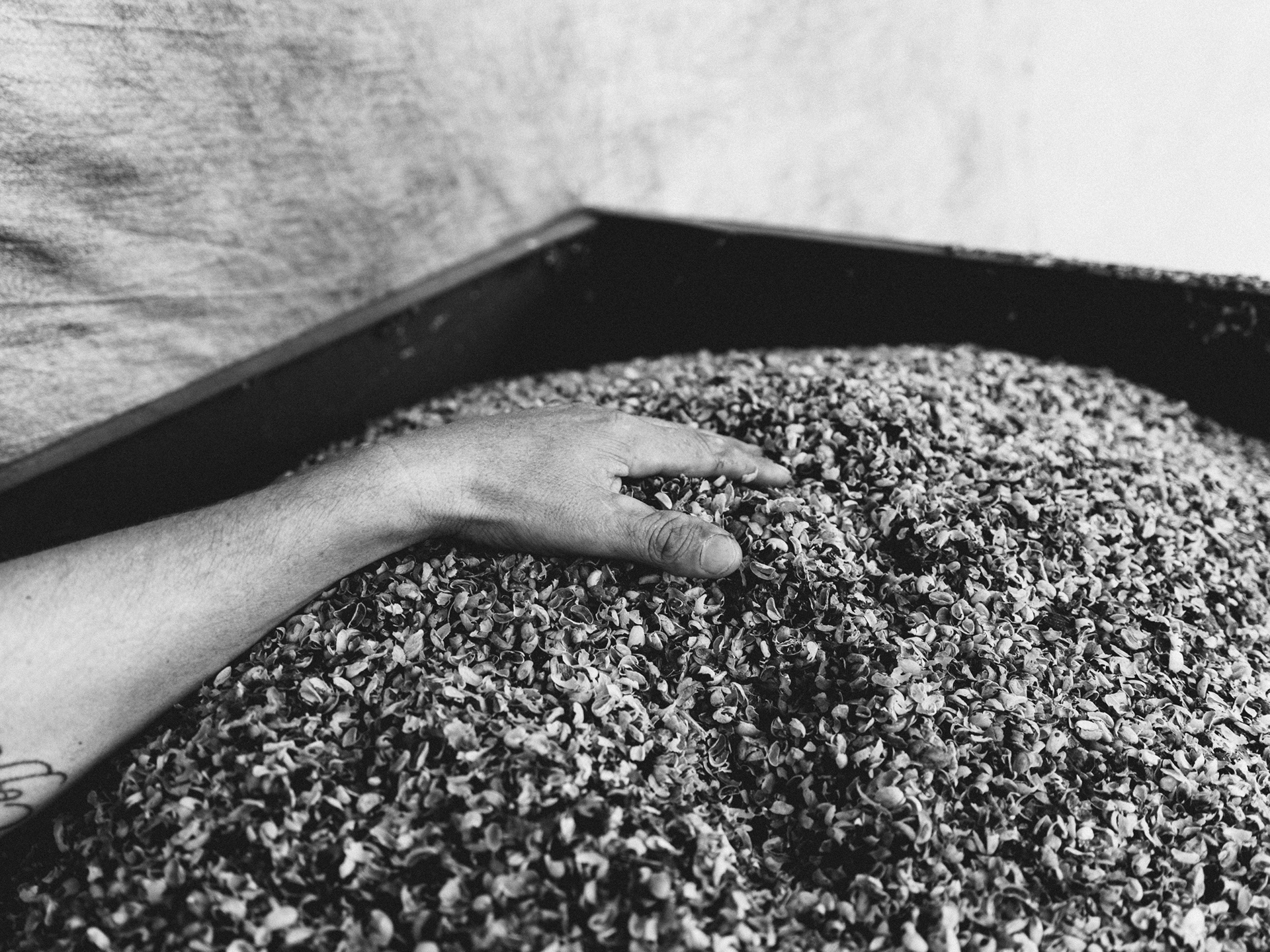
As climate instability reshapes how one of the world’s most planted crops is grown, this project follows farmers in Brazil’s Minas Gerais who are restoring their land through regenerative practices. A Cor do Sol is a documentary portrait of Brazil’s regenerative coffee movement, rooted in Minas Gerais and anchored in the life and work of José Elizeu, a small-scale producer near the town of Natércia.
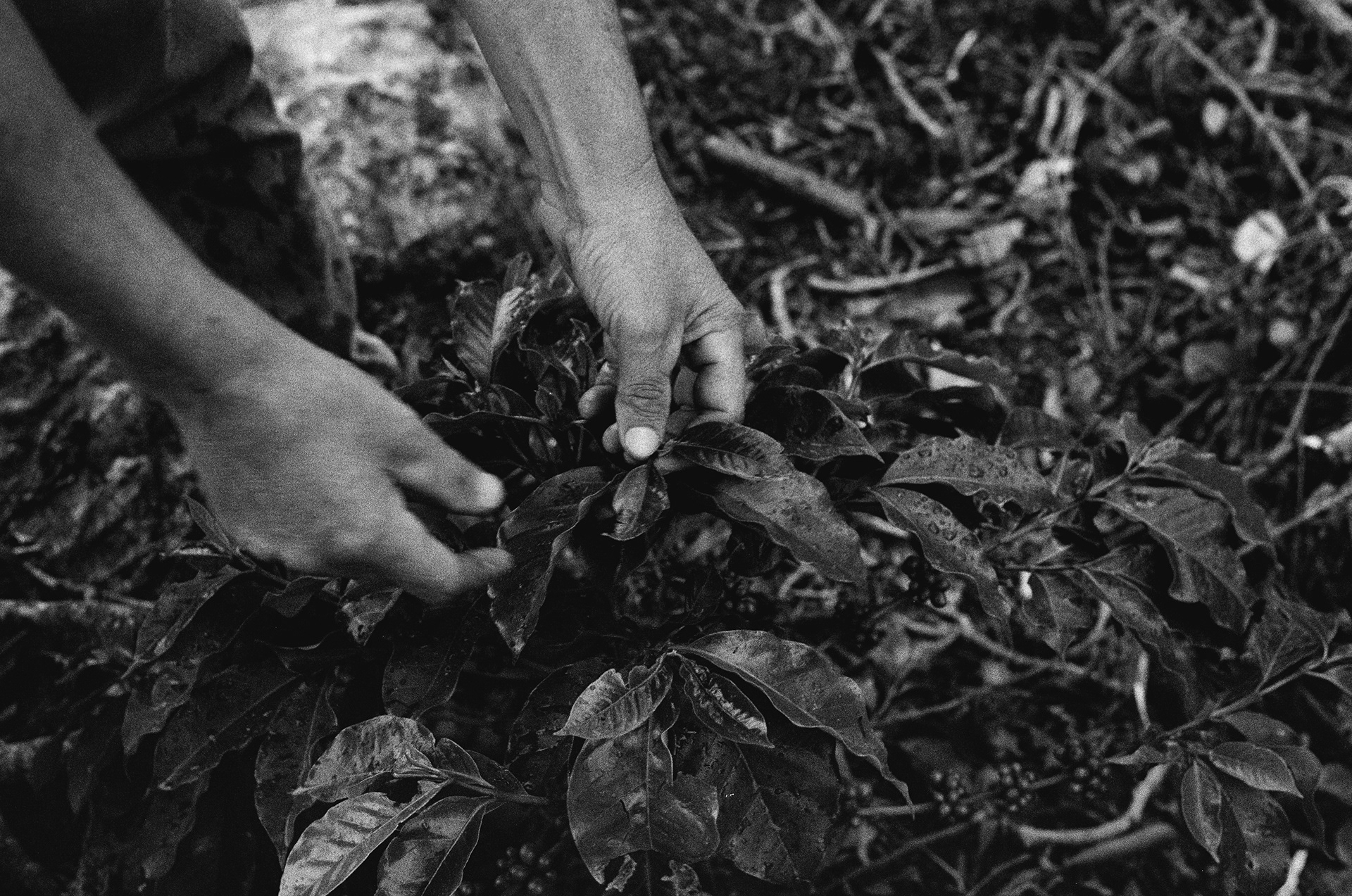
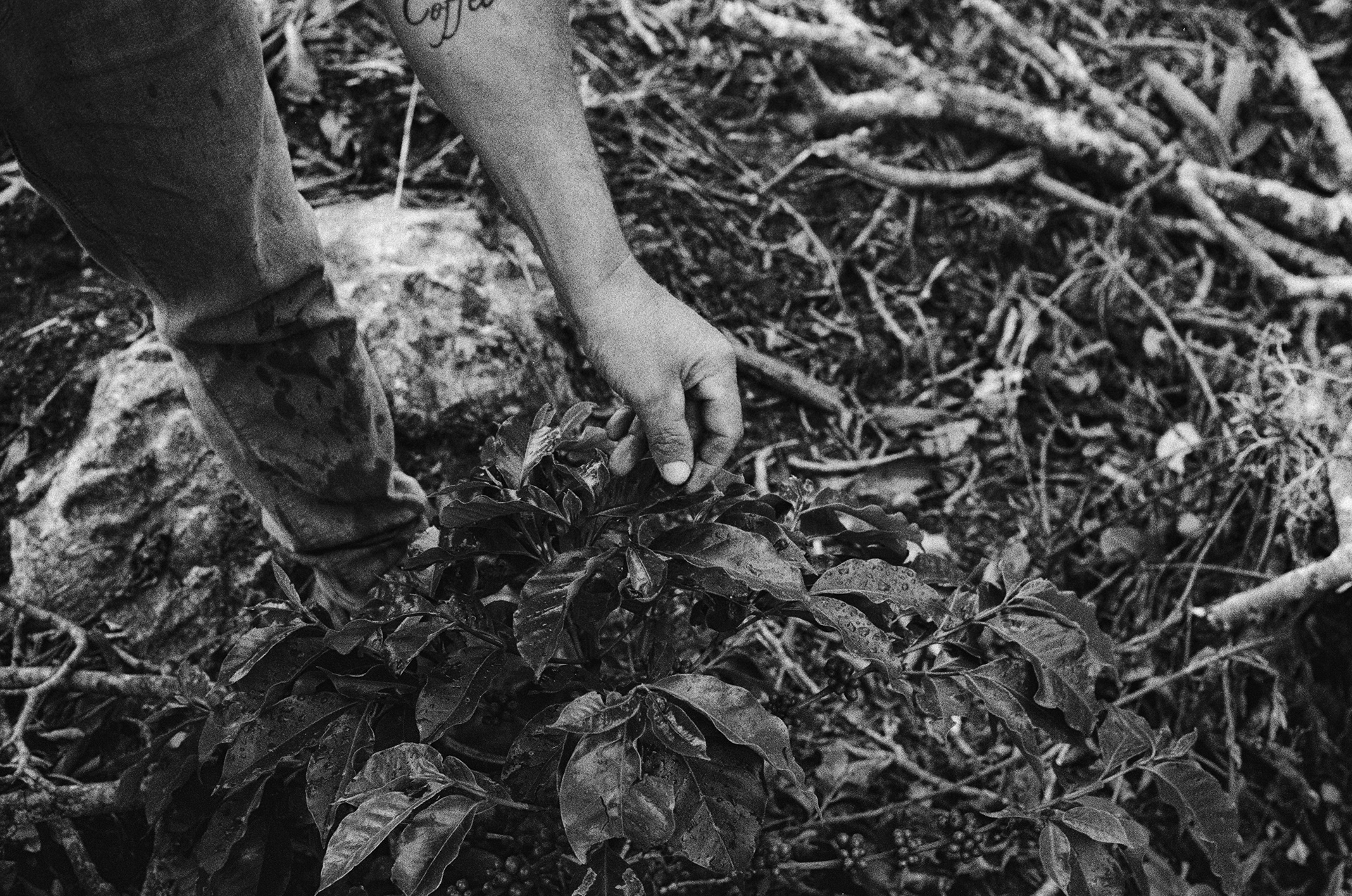
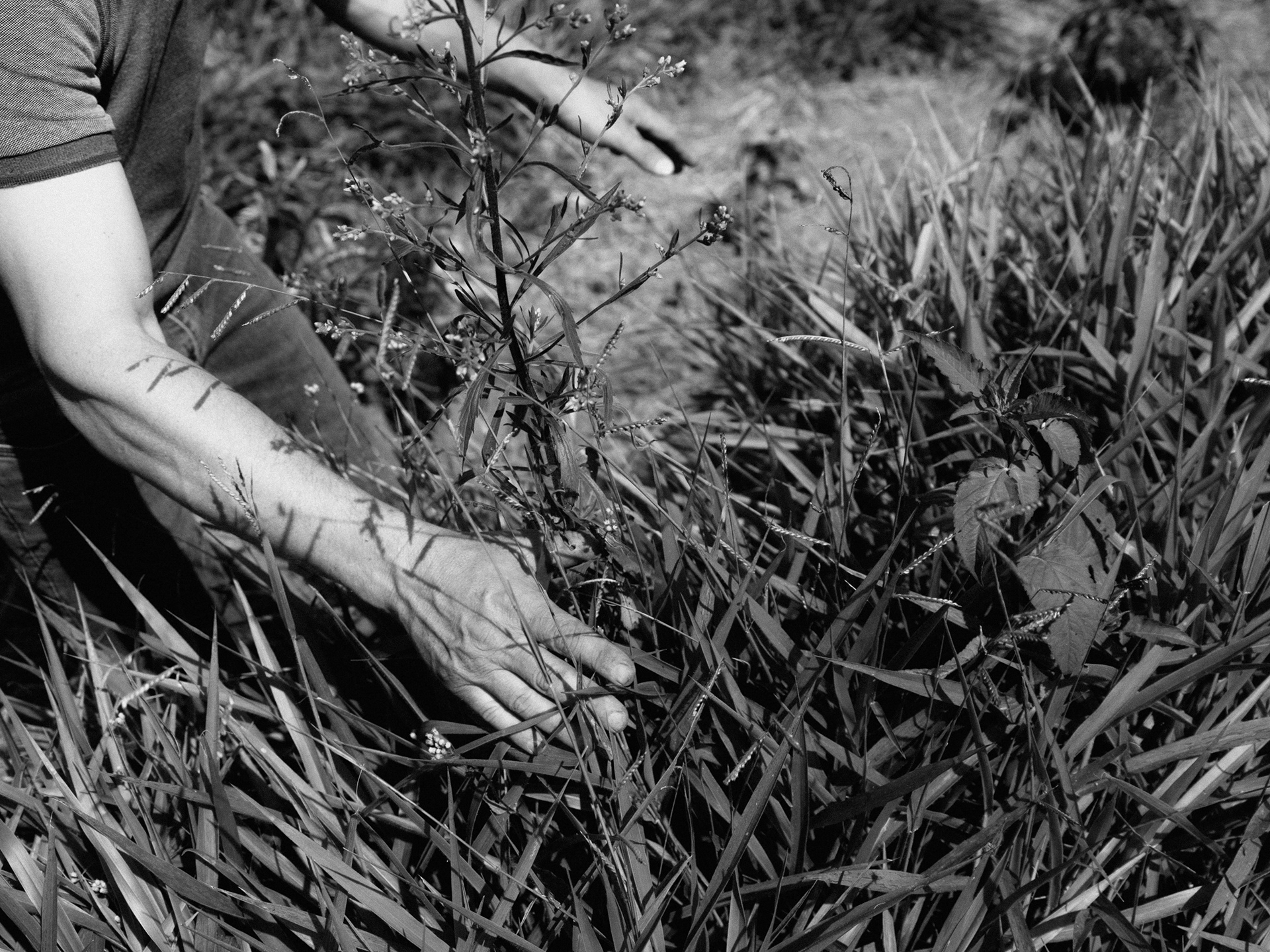
Situated within the larger context of farming in the Anthropocene, this project asks whether climate instability is forcing Brazil’s coffee farmers to abandon inherited practices or lead them to rediscovering older ways of working in closer relationship with the land. Centered in Minas Gerais, it follows those whose daily labor suggests that regeneration is less a transition than a return, inviting a broader question about how everyday rituals like making coffee connect us to the land that produces them. What does it mean for all of us, who drink coffee every day, to understand how that relationship shapes what ends up in our cup?